Magnum Push Piers
Steel push piers down to deep bearing ground, each tested.

Cracks in walls
Not every crack means your foundation is subsiding. Hairline cracks in plaster often come from shrinkage or temperature. But some cracks are a warning sign. This is how to tell the difference.
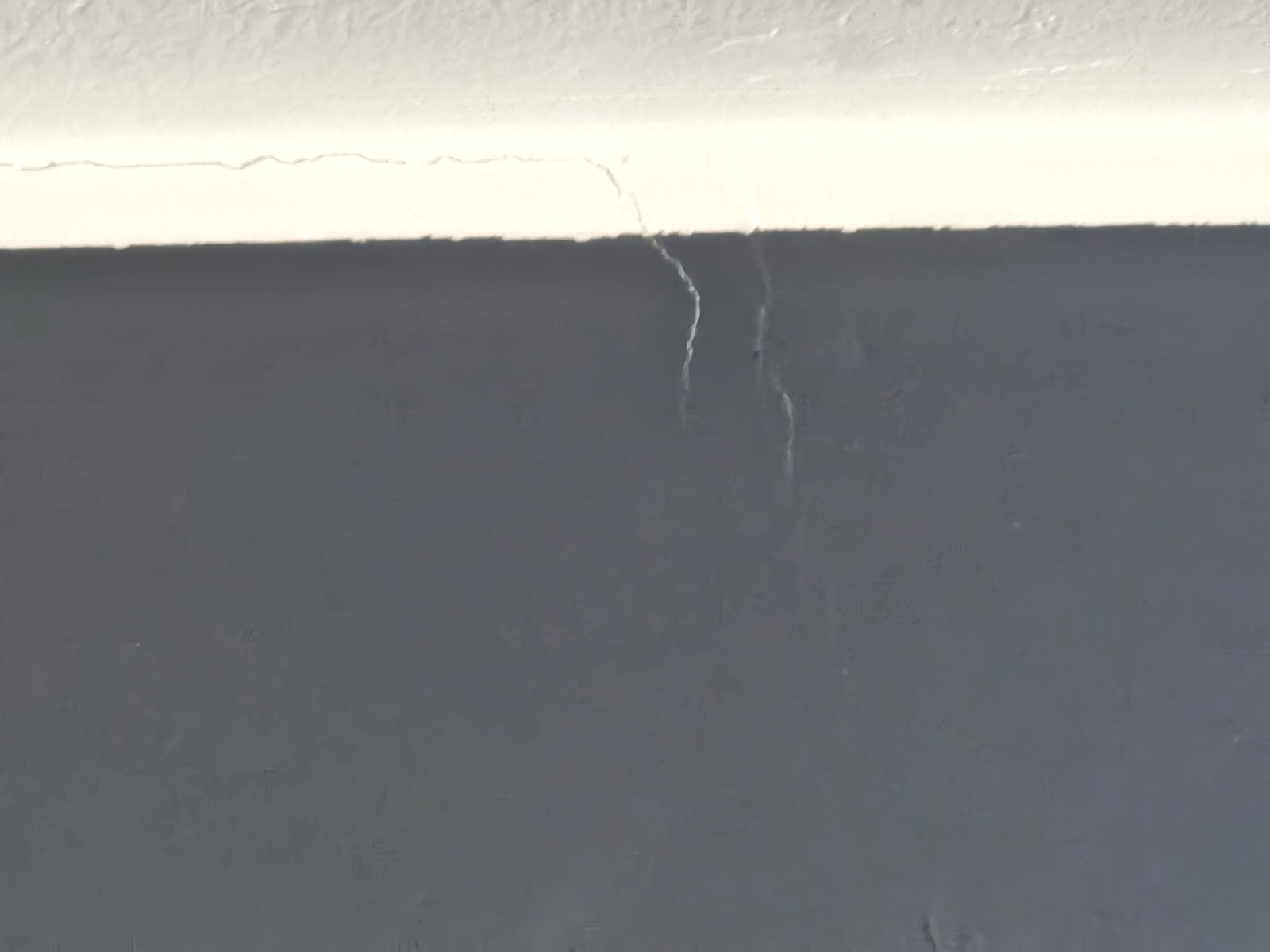
Fine hairline cracks in plaster or paint that do not grow often come from shrinkage of the material or from temperature changes. Keep an eye on them for a while.
A foundation that settles unevenly: one side goes down more than the other. Typical causes are drought in clay soil, a leaking sewer, trees close to the house and construction work nearby.
With serious damage, have a structural engineer assess the situation. Soiltek is a specialist contractor: we record, measure, propose a technique and carry out the repair, in consultation with your engineer.
Steel push piers down to deep bearing ground, each tested.
Expanding resin strengthens the ground under the foundation, without digging.
Sunken concrete floors back to level.
First the cause, then the right technique.
Stepped cracks, cracks wider than ± 2 mm and cracks that keep growing often point to subsidence. Hairline cracks in plaster are usually harmless.
Not before you know where it comes from. A filled crack comes back as long as the cause remains, and you can no longer see whether it grows.
That depends on the cause and your policy. A subsidence survey report helps you in the discussion with your insurer.
Send us a few photos of the cracks and the surroundings of your house. We will look, with no obligation, at what may be going on.
Report your cracksRead also: Subsiding house · Causes of subsidence · Buying a house with cracks · Cracks after a dry summer · Cracks from shrinking clay: from survey to repair · Trees next to your house on clay