Projects

Screw pile foundations in practice

By the water, among the trees, in a back garden or under an existing house: a selection of projects that shows what screw piles and Magnum Push Piers make possible.

Battery storage (BESS) · Design study

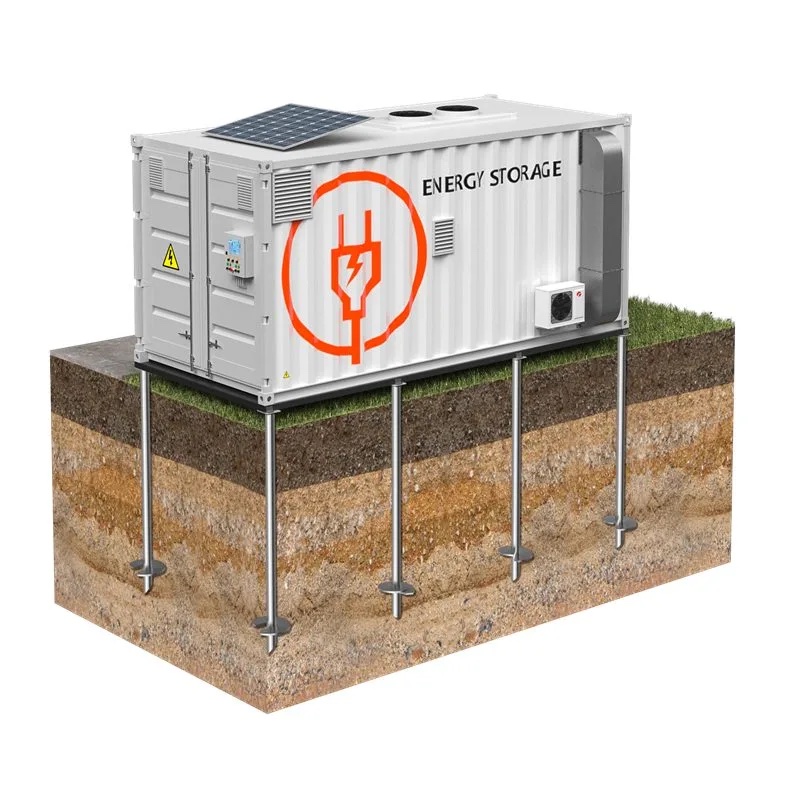
Foundation for a 44-tonne 20 ft battery container

The challenge

In Belgium, battery containers traditionally sit on a concrete slab on crushed stone. That means excavation, formwork and curing time, while BESS projects need to be delivered fast. A single 20 ft container weighs up to 44 tonnes and must also stand perfectly level.

Our solution

Based on CPT soundings on site, our manufacturer Paalupiste worked out a foundation proposal: screw piles down into the load-bearing layer, topped by a steel frame that carries the container. Levelling plates on the pile heads allow alignment to within 1 to 2 mm; the frame is welded on site or fixed with clamp connections.

Why it works

No concrete slab and hardly any earthworks: the site only needs to be set out and checked for utilities. The piles can be loaded immediately and fully removed at the end of their service life.

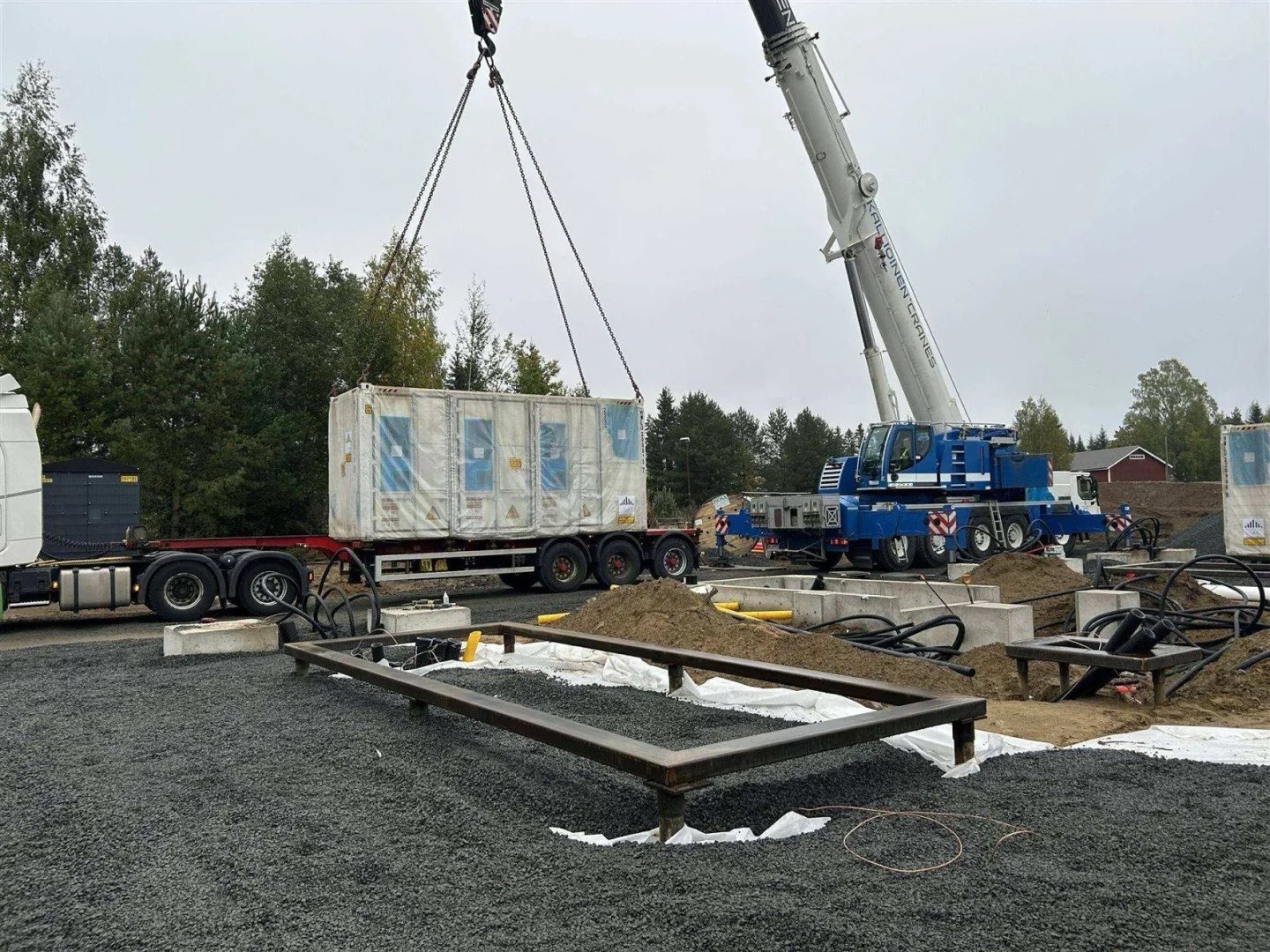
This case is a design study for a Belgian BESS project. The photos show completed BESS installations by our manufacturer Paalupiste, including in Svebolle (Denmark).
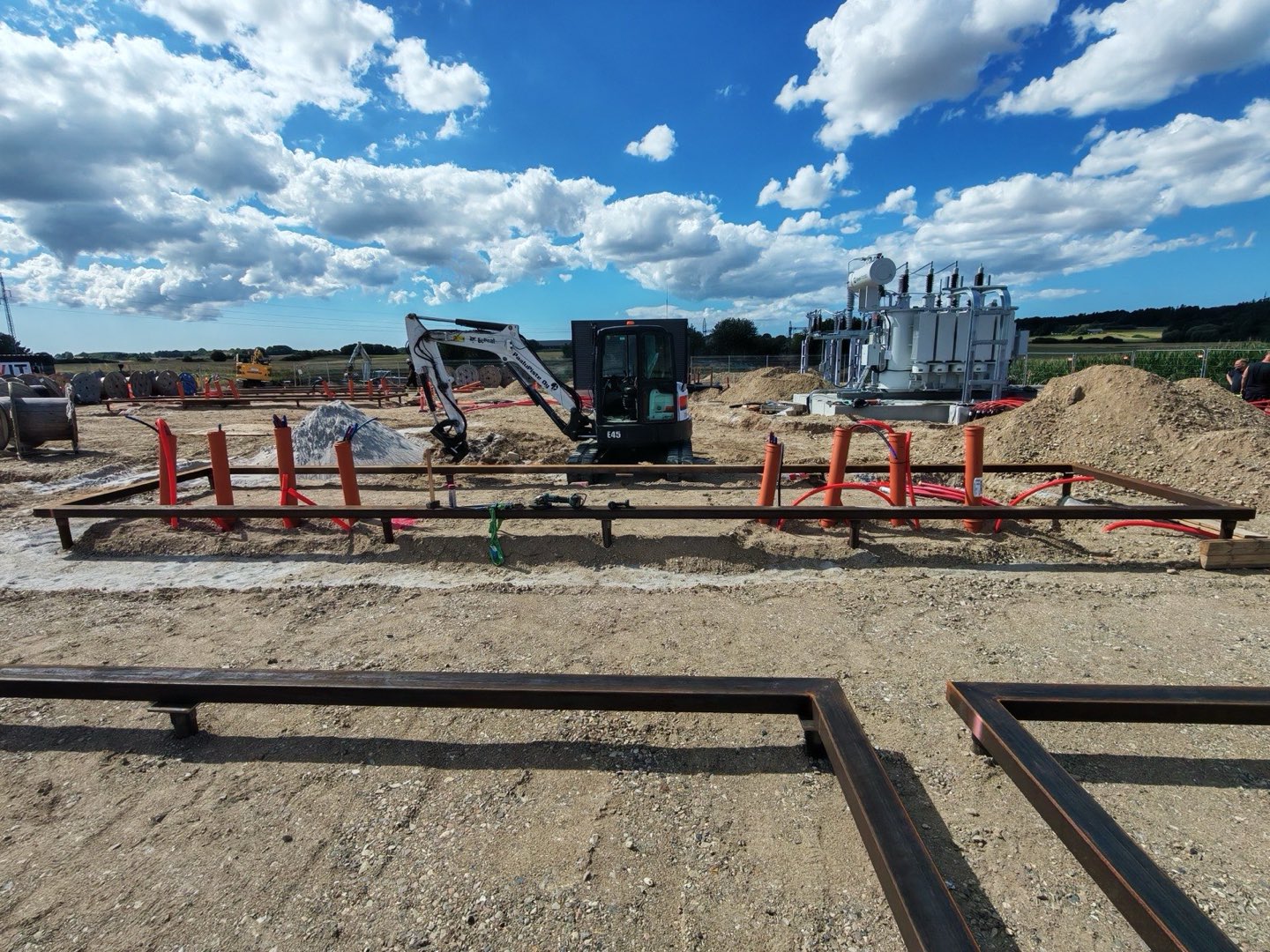
Rows of steel container frames on screw piles at a BESS site in Svebolle, Denmark
Container frames on screw piles — Svebolle (DK), photo: Paalupiste
A battery container being craned onto a steel frame on screw piles
Container on frame — photo: Paalupiste
Section: battery container on a steel frame and screw piles in the ground
Principle

Waterside construction · Lier

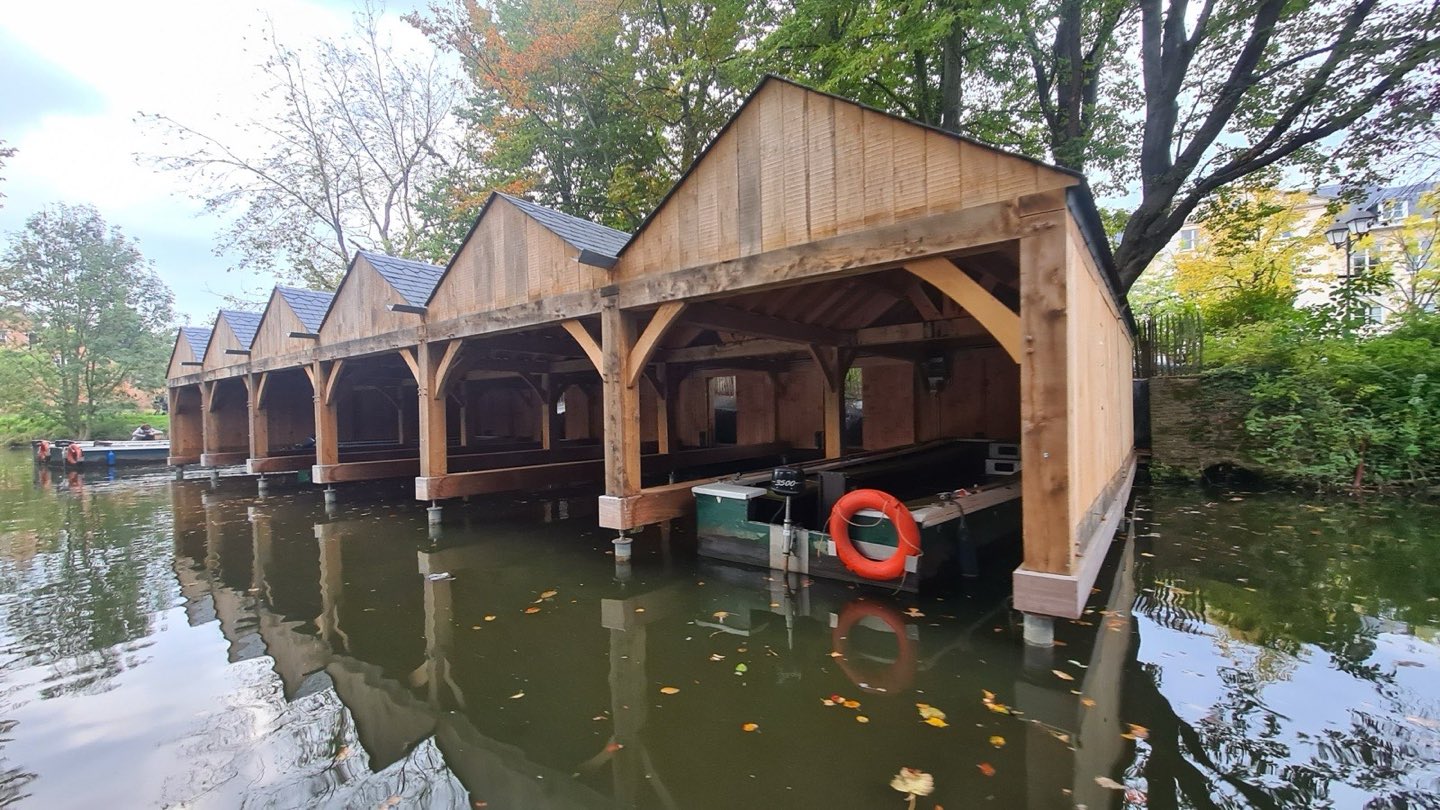
Boathouse in Lier

The challenge

A timber boathouse with several berths had to be built right at and above the water. Riverbank soil is soft and wet, and heavy machines or pile driving right next to the water are not an option.

Our solution

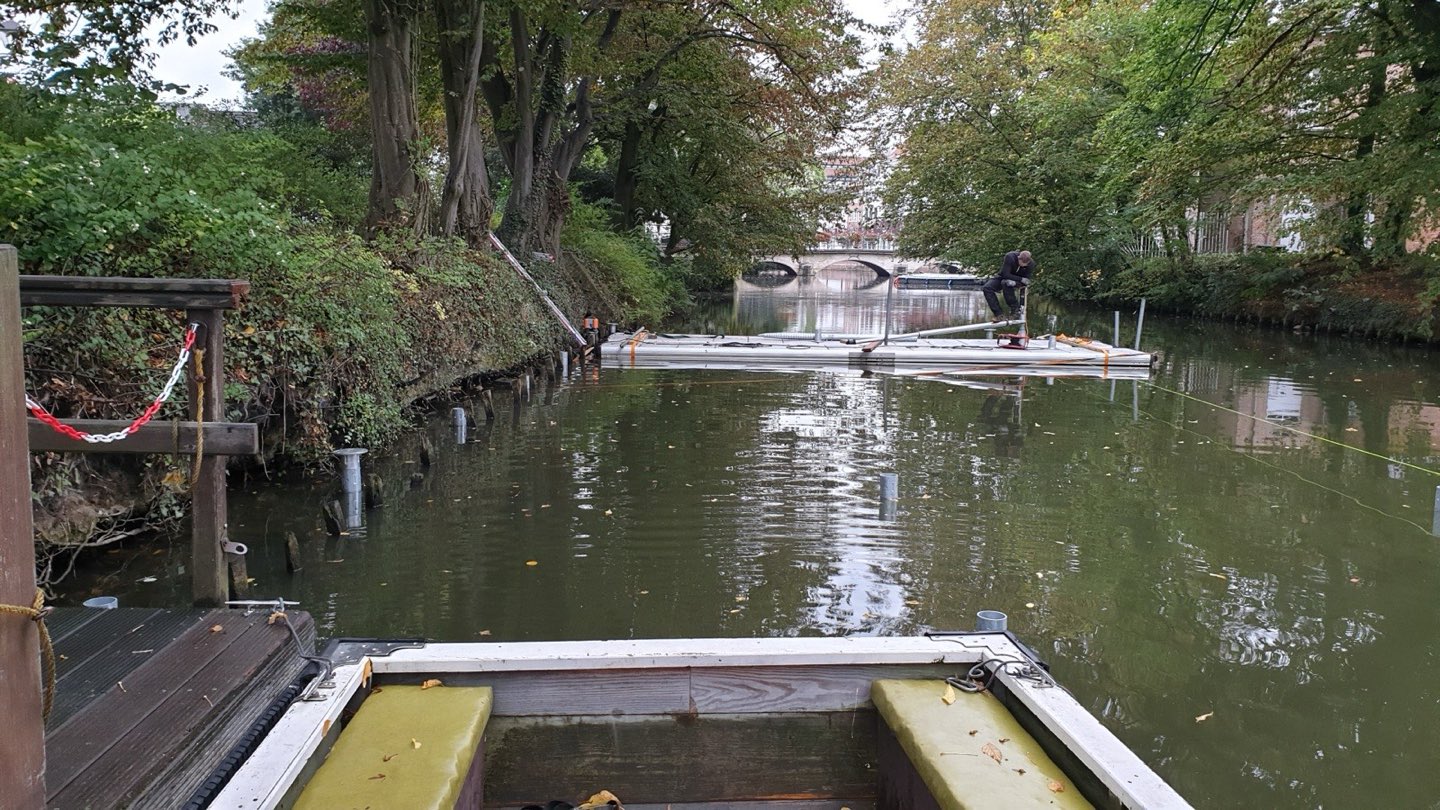
We screwed steel piles through the soft top layer down to load-bearing ground. During installation we measure the installation torque, which tells us the bearing capacity of each pile. Most of the work was done from a pontoon on the river. The timber structure was then mounted directly on the pile heads.

The result

A stable boathouse standing with its feet in the water, founded without vibration and without a single cubic metre of concrete in the bank.

Boathouse in Lier with several timber berths above the water
Working from a pontoon on the river in Lier, with installed piles along the bank
Installation from the water
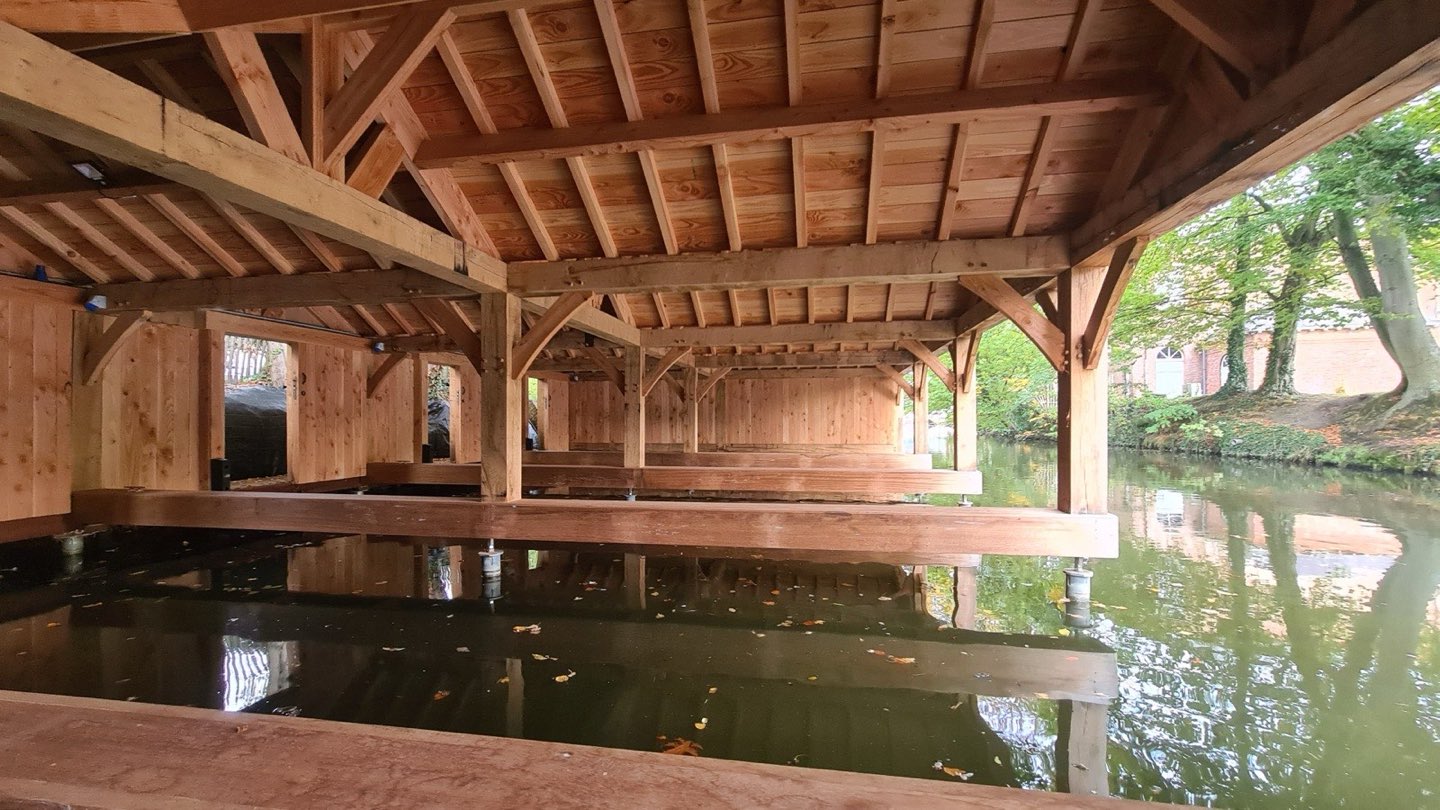
Inside the boathouse: timber trusses above the water

Events · Working on the water

Tomorrowland 2024: installing piles from a pontoon

The challenge

For Tomorrowland 2024, a foundation was needed in the middle of the lake on the festival grounds, far from the shore. No machine can reach that from the bank, and everything had to be ready in time for the festival build-up.

Our solution

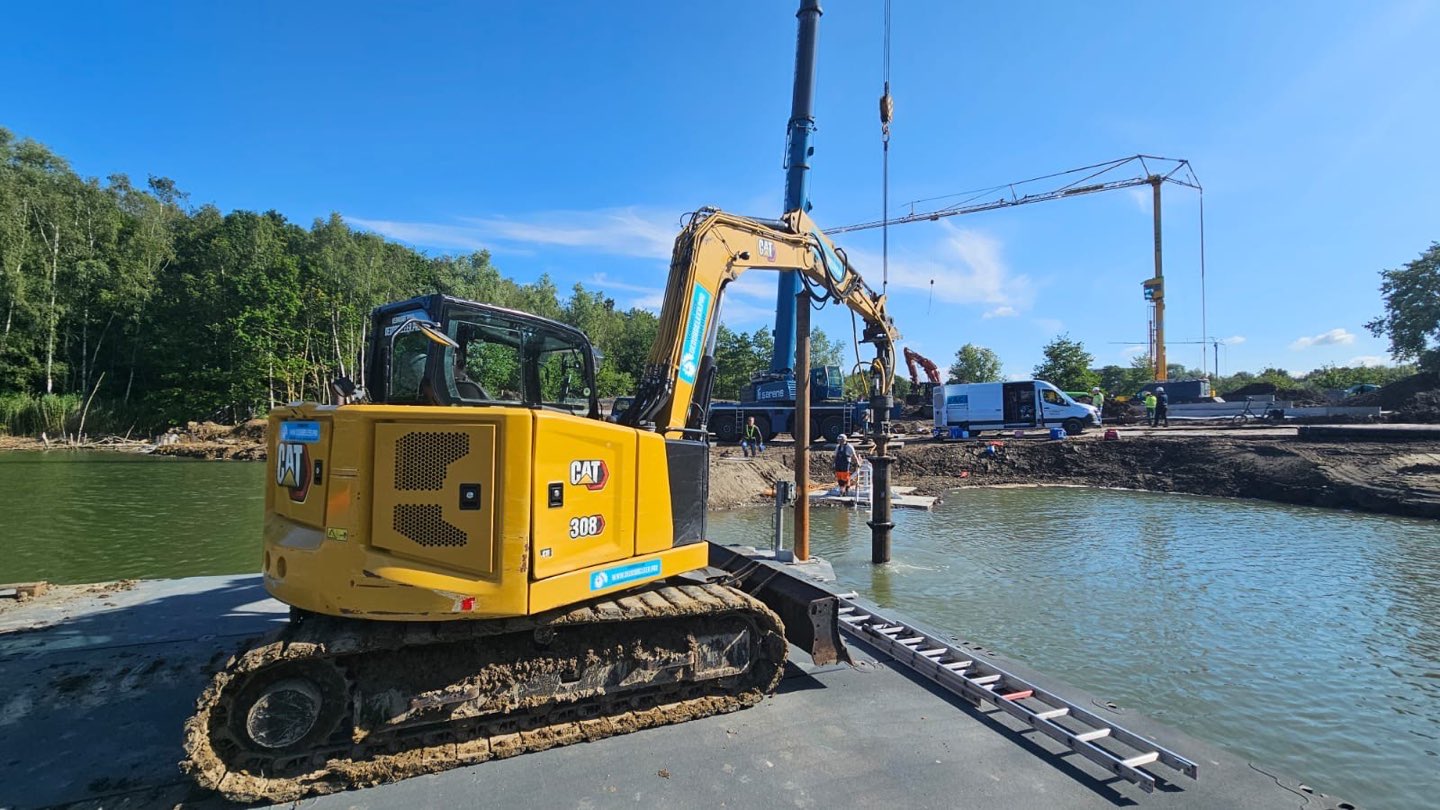
We put an excavator with a hydraulic drive head on a floating pontoon and installed the screw piles straight from the water, without a site road or temporary dam to the shore.

The result

Neat rows of screw piles standing in the water, installed with minimal impact on the lake and its banks — and fully removable after the event.

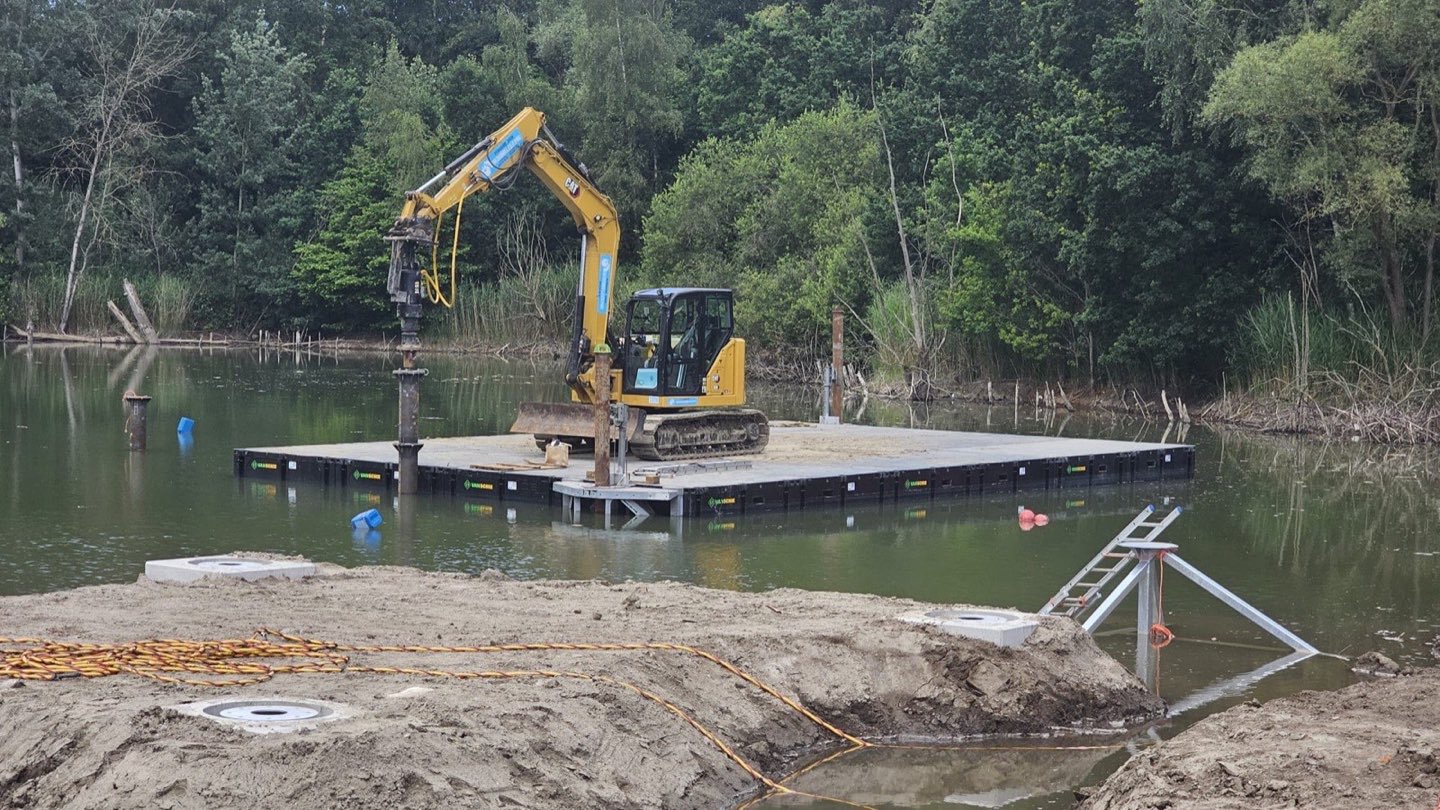
Excavator on a floating pontoon installing screw piles in the lake at the Tomorrowland site
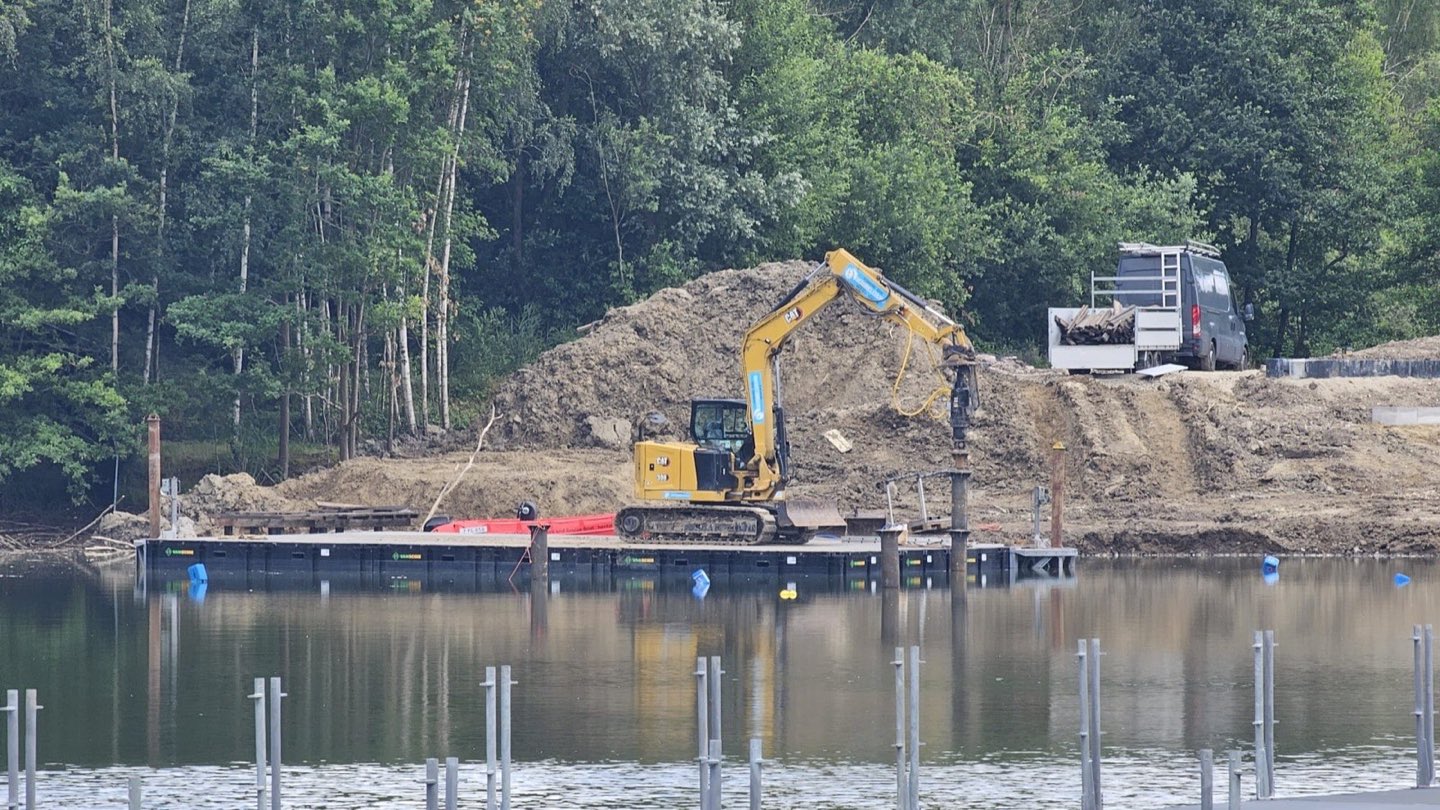
Rows of installed screw piles in the water, with the pontoon in the background
Piles in the water
Excavator with drive head on the pontoon at the shore

Garden & water

Jetties and decks by the water

The challenge

Whether it is a jetty in a garden pond or a curved deck over the water in Zottegem: the structure has to sit above the water without churning up the landscaped bank and planting.

Our solution

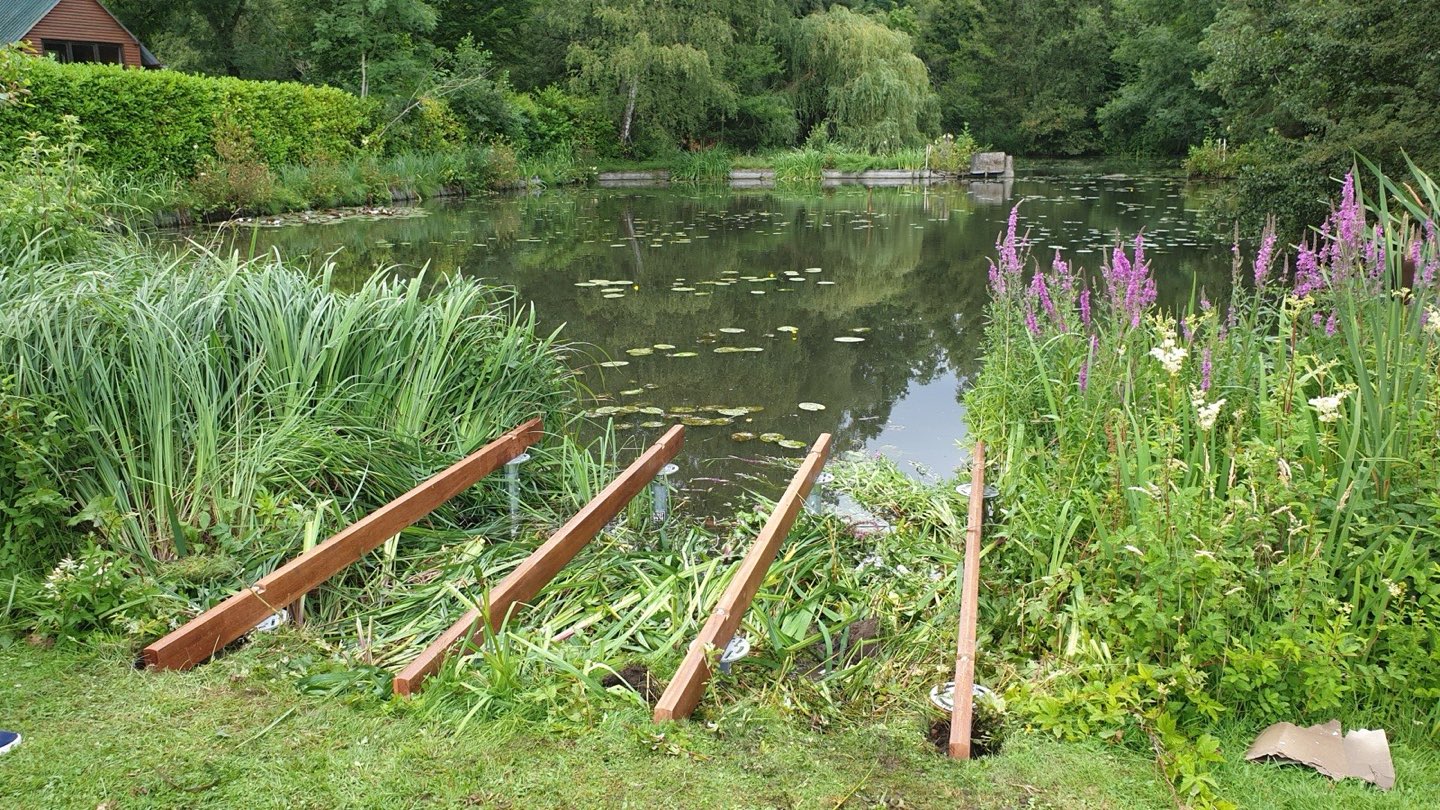
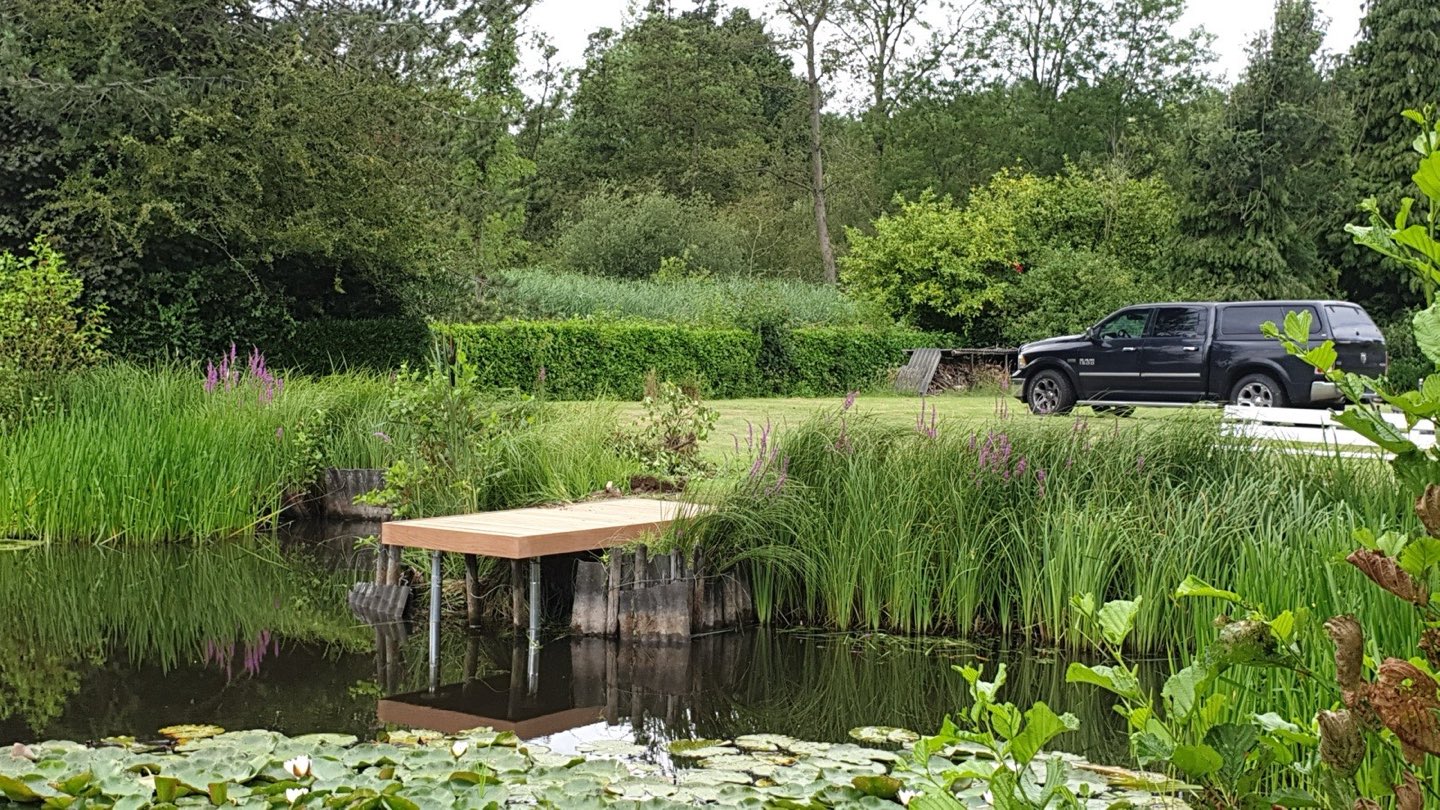
A handful of screw piles, screwed in at the edge and in the pond. No digging, no concrete that has to cure underwater. The bearers and the deck were fixed directly to the piles.

The result

Decks that float neatly above the water, while the garden and the bank around them stay untouched.

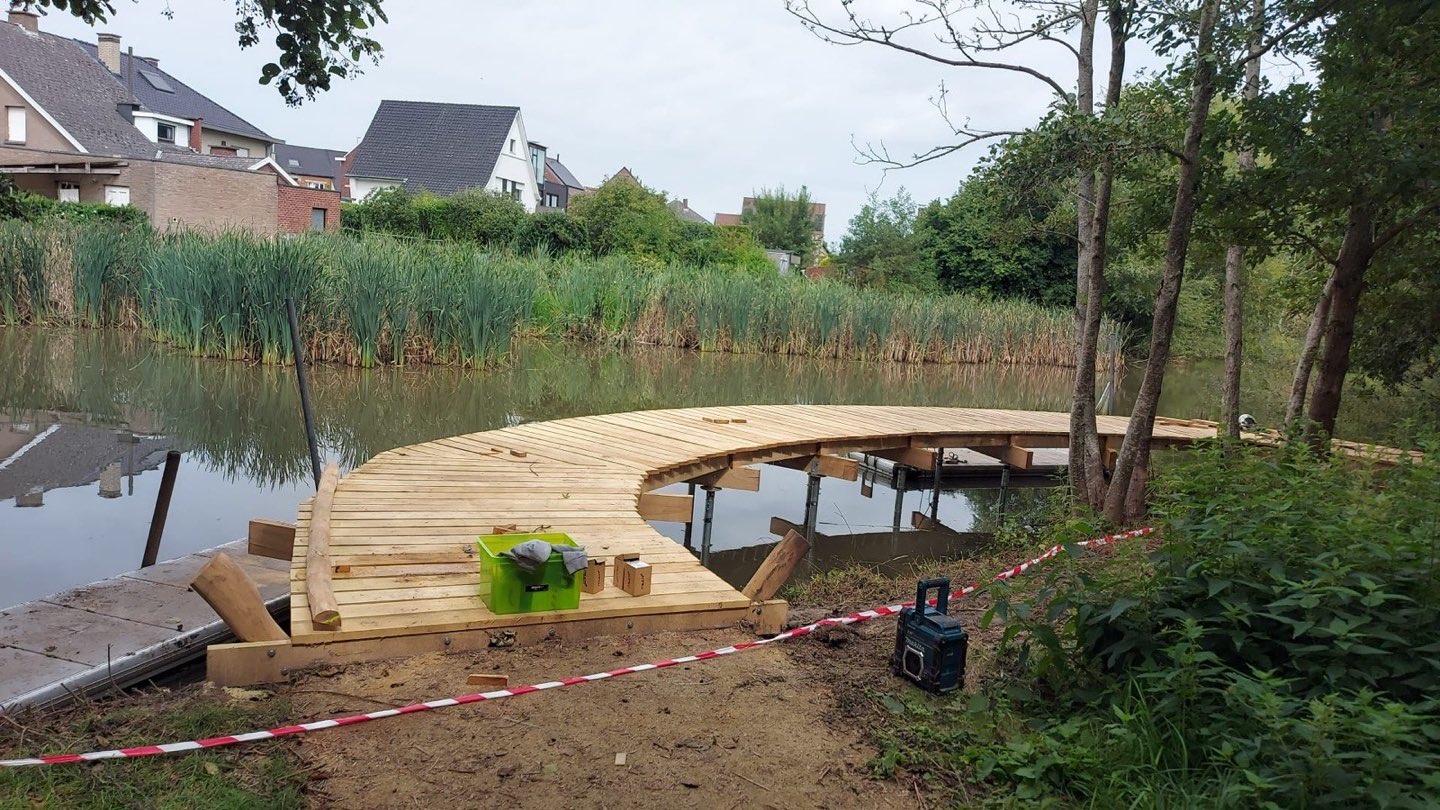
Curved timber deck on screw piles above the water in Zottegem
Deck over the water — Zottegem
Screw piles ready for installation at the edge of a garden pond
Finished timber jetty above the water of a garden pond
Jetty in a garden pond

Housing

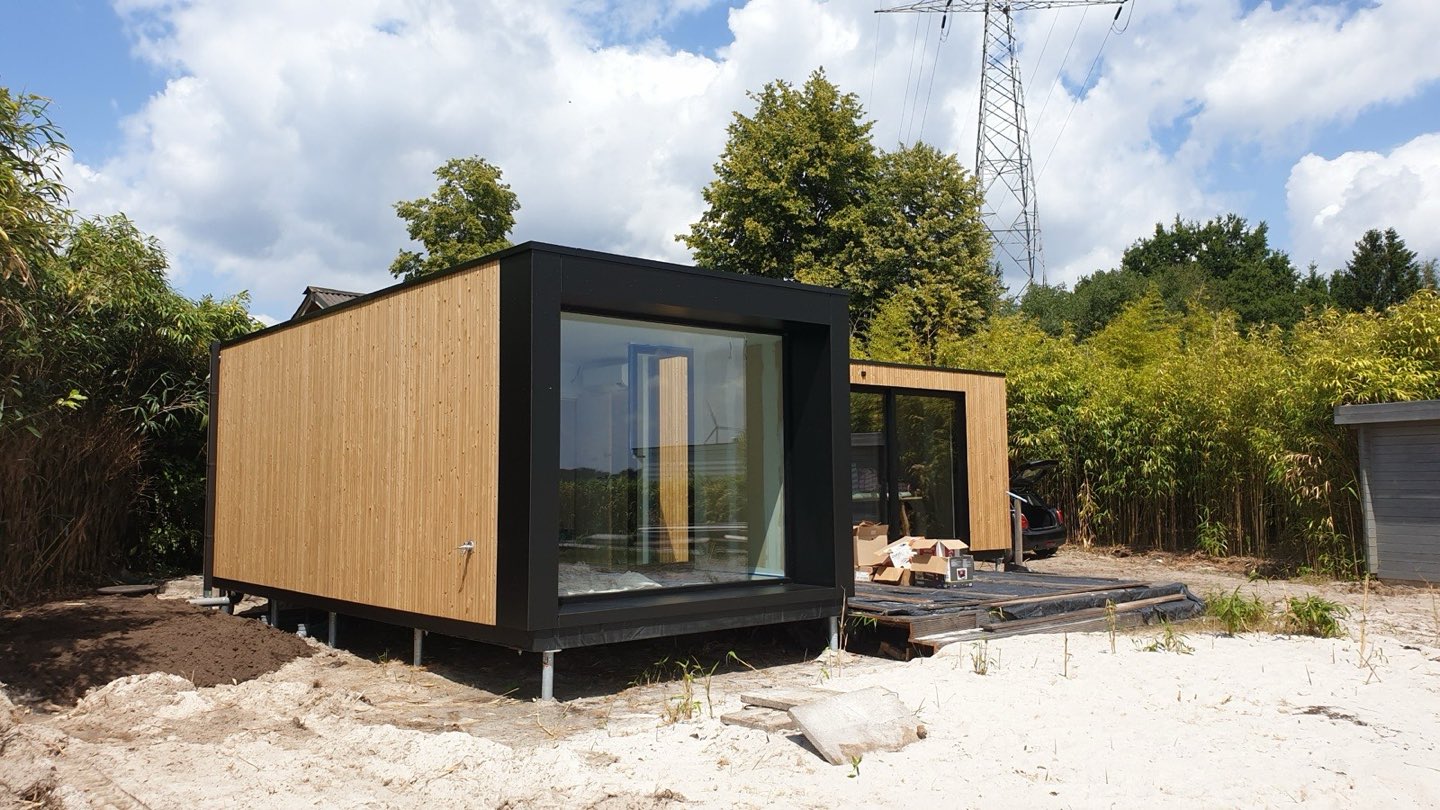
Modular home on screw piles

The challenge

A modular home is built in the factory and placed in a single day. So the foundation has to be ready when the modules arrive, without waiting weeks for concrete to cure.

Our solution

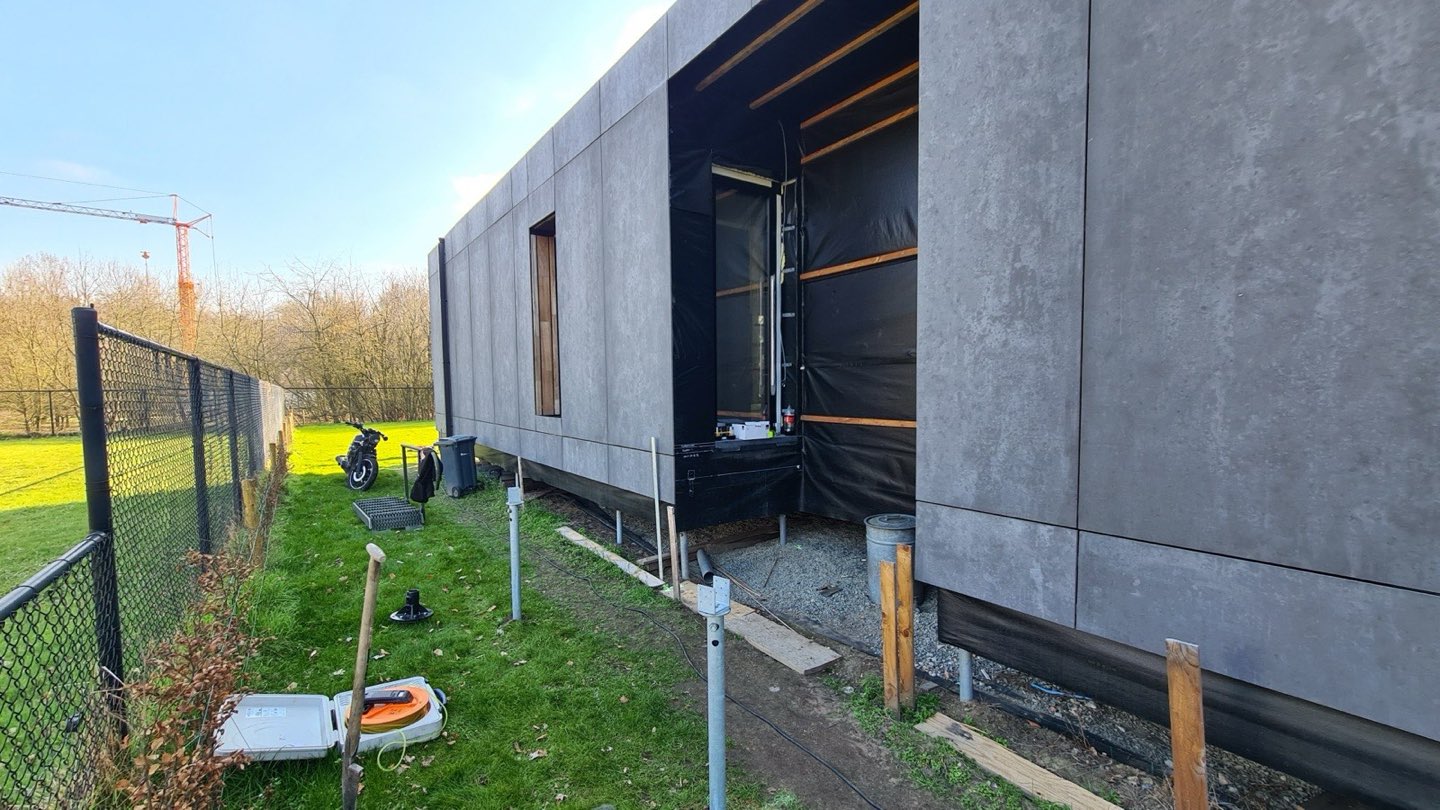
We installed a grid of screw piles exactly to the module builder's foundation plan. The piles can be loaded immediately and absorb level differences with adjustable pile heads.

The result

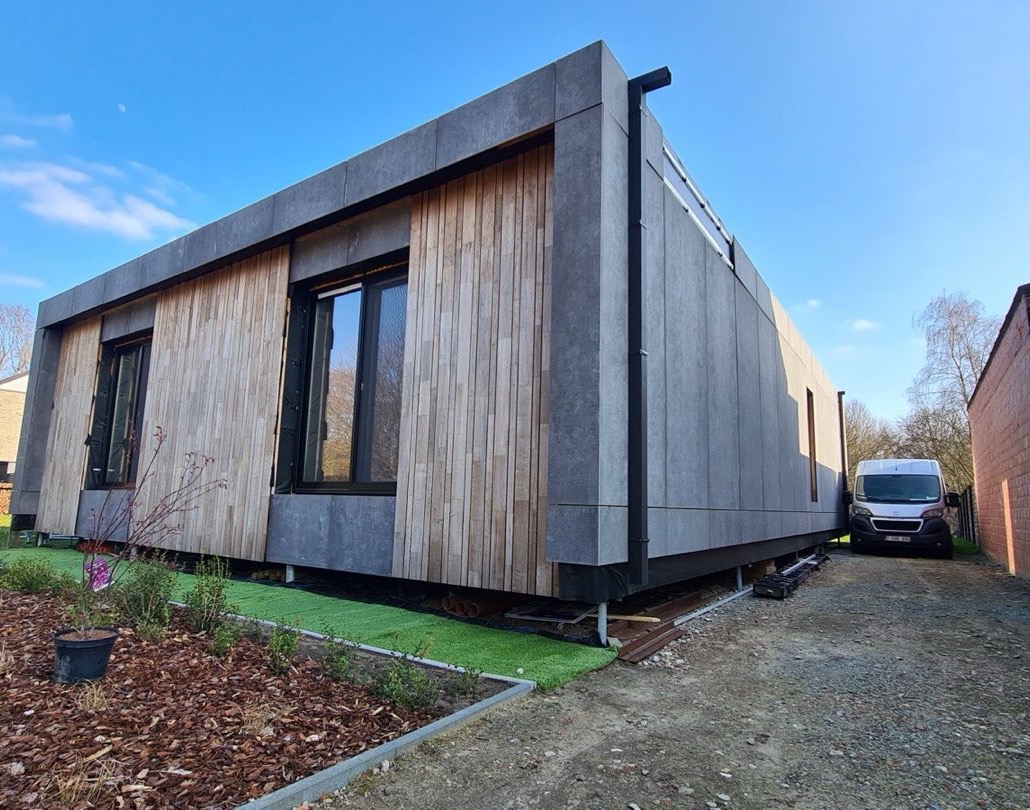
A home that could go straight onto its foundation, with a ventilated void under the floor that keeps everything dry.

Finished modular home with timber cladding Side of the modular home with the screw piles visible underneath Modular unit with large glazing on screw piles

Public building · Sint-Truiden

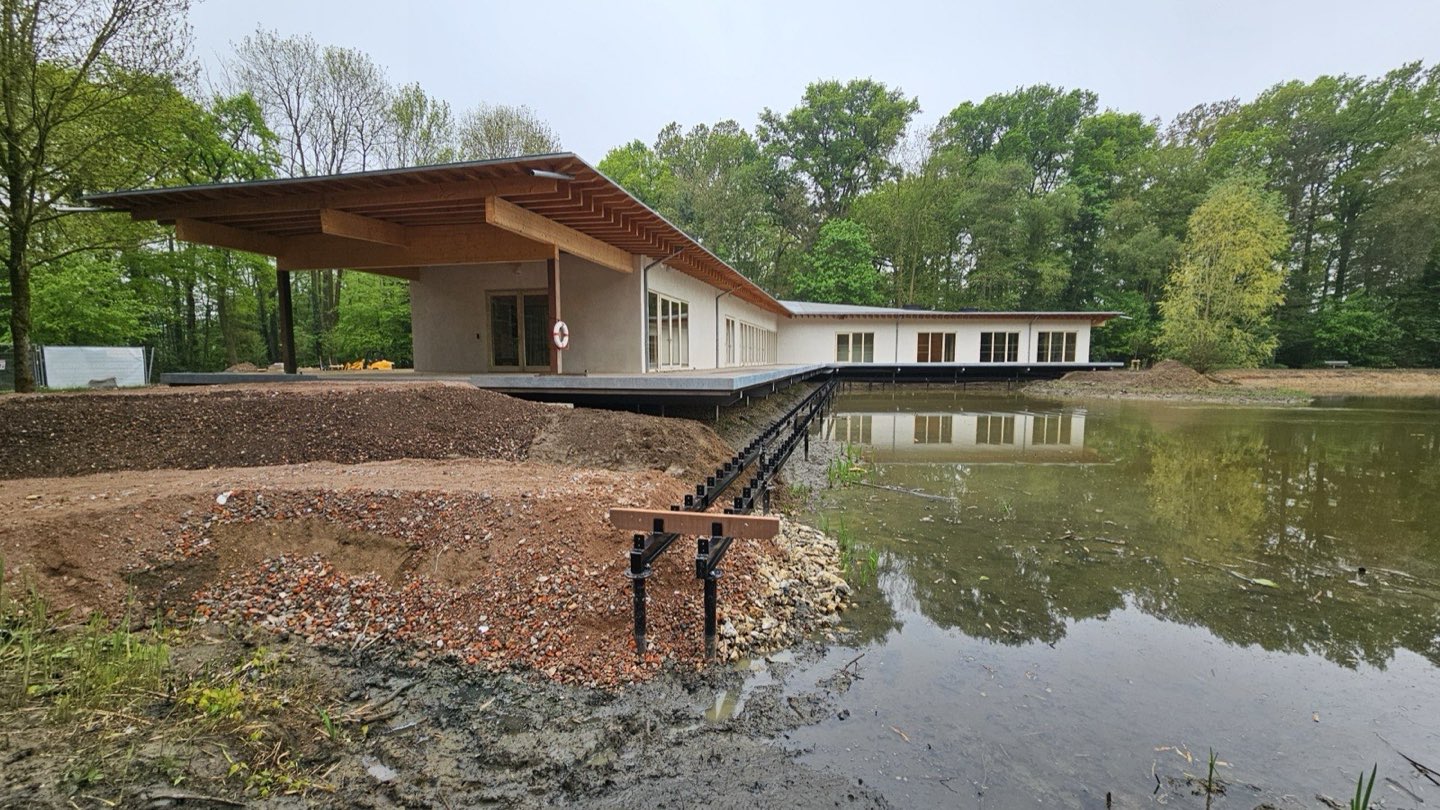
Visitor centre, Nieuwenhoven Provincial Park

The challenge

The new visitor centre of the provincial park stands beside and partly above a pond, on wet ground. The load-bearing layer is deep, and heavy pile driving in a nature park was not wanted.

Our solution

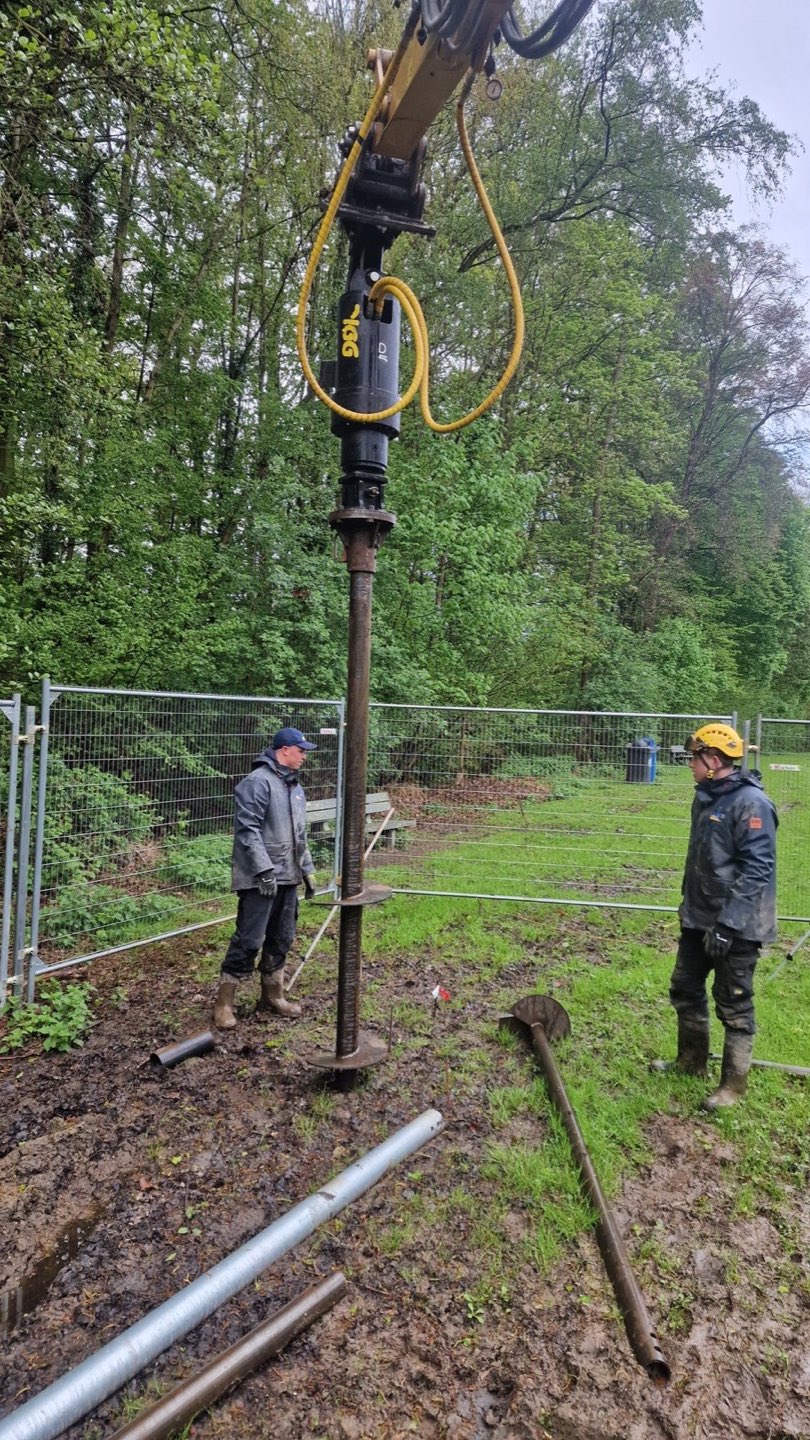
We installed 98 screw piles up to 8 metres deep, vibration-free and with compact machines among the trees. We measure the installation torque of every pile, so the bearing capacity of each pile is known.

The result

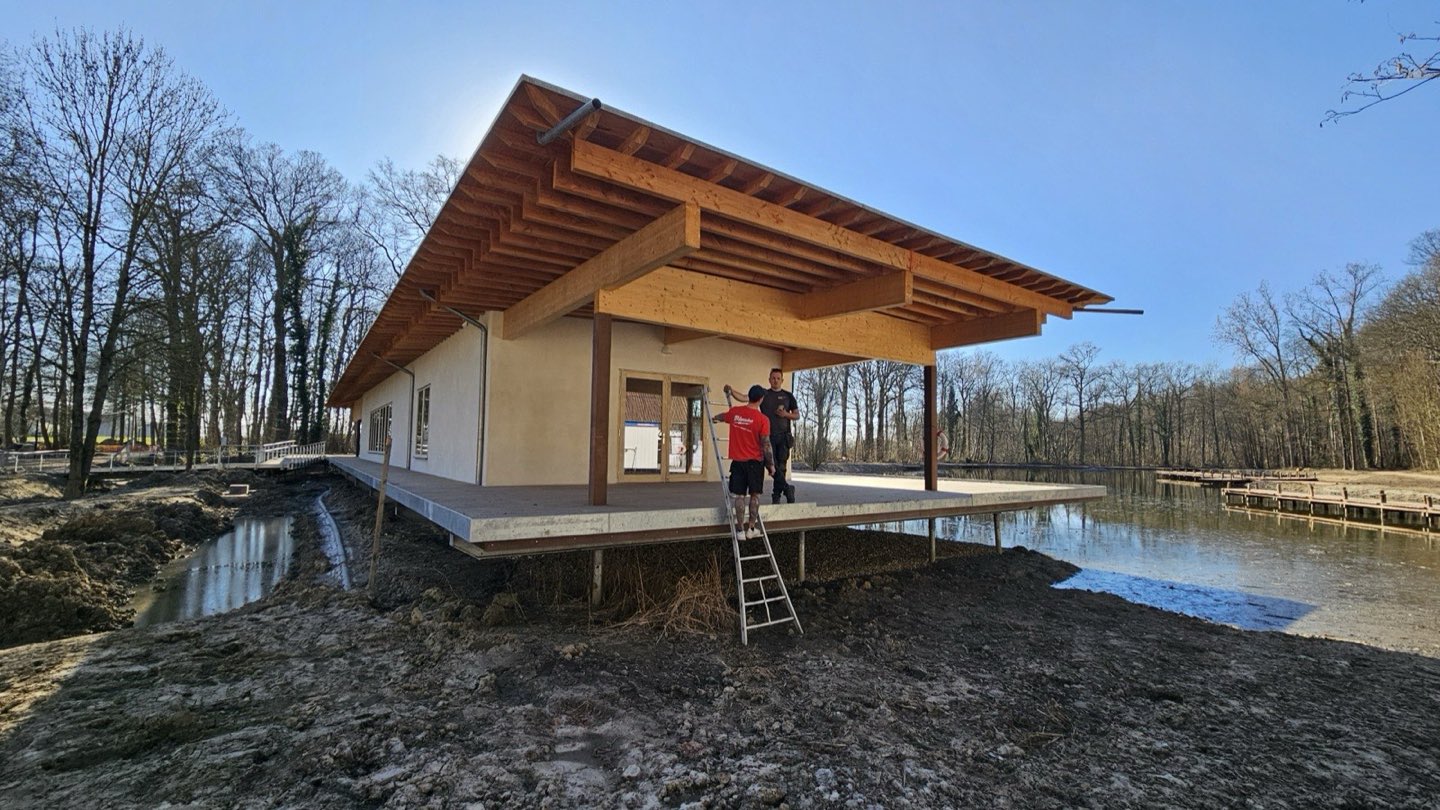
A building that seems to float lightly above the water, founded with minimal impact on the park.

Nieuwenhoven visitor centre beside and above the pond
Installing a screw pile with an excavator among the trees in Nieuwenhoven
Installation
Finishing the visitor centre on screw piles by the water
Finishing

Foundation repair · Erquelinnes (Hainaut) · 2026

Nine Magnum Push Piers under a subsiding house

  • 9 Magnum Push Piers
  • up to 15.85 m deep
  • 400 bar test pressure per pile (± 20 t)
  • 20–30 mm lifted under control

The challenge

A house in Erquelinnes showed cracks in its interior walls due to subsidence on the left side. The load-bearing ground turned out to lie very deep.

Our solution

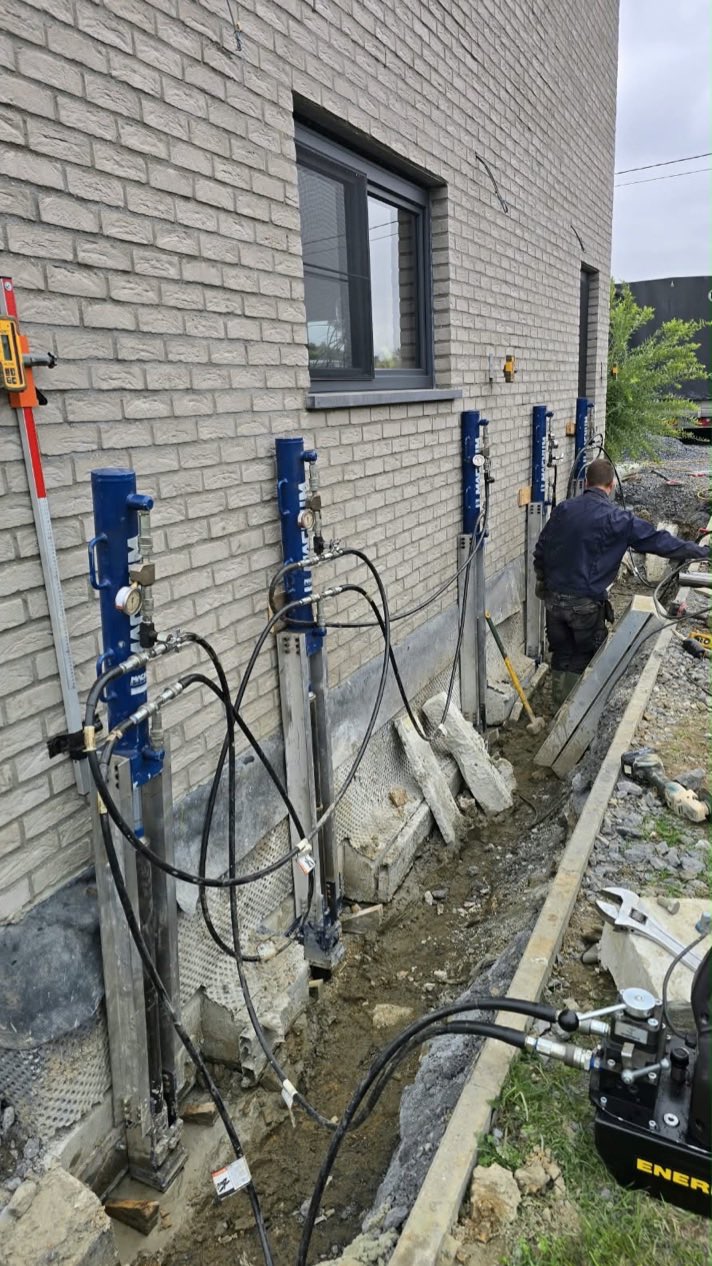
In a first phase, in mid-August 2026, we stabilised the ground under the foundation with expanding resin (Deep Lift). At the end of August we exposed the foundation locally to about 1 m below ground level and installed nine Ø 76 mm Magnum Push Piers with a friction lead: two at the front façade, six along the left side wall and one at the rear. Steel Magnum brackets connect the piers to the existing foundation. Each pier was pushed segment by segment until the resistance was sufficient — seven piers to around 14.5 to 16 m deep.

The result

After installation, every pier was tested individually at 400 bar, about 20 tonnes of reaction force, for at least 15 minutes — with no significant additional penetration. We then lifted the foundation along the side wall by 20 to 30 mm under control and filled voids under the foundation by injection. Everything was recorded in an installation report with depth and pressure per pier.

Several hydraulic Magnum jacks pushing piers simultaneously along the side wall of a house
Pushing along the side wall, 3 September 2026
Crack gauge on a cracked wall
Cracking beforehand

Expanding resin · Callenelle (Péruwelz) · 2026

Pedestrian tunnel under the railway: lifted 19 cm in 36 hours

The challenge

Under a pedestrian tunnel by the railway line, the ground had weakened locally. Excavation or heavy machines in a narrow tunnel next to a live railway line were not an option.

Our solution

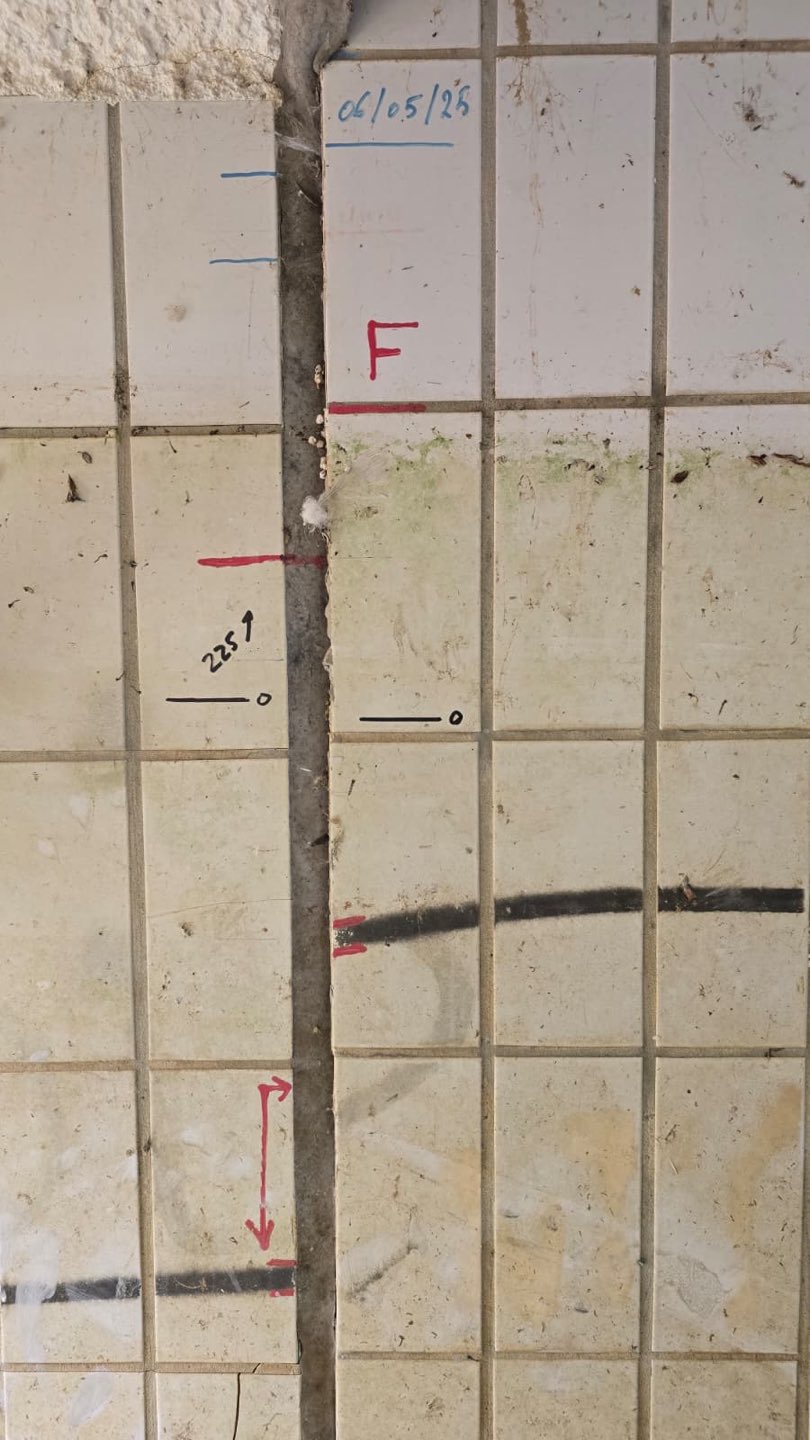
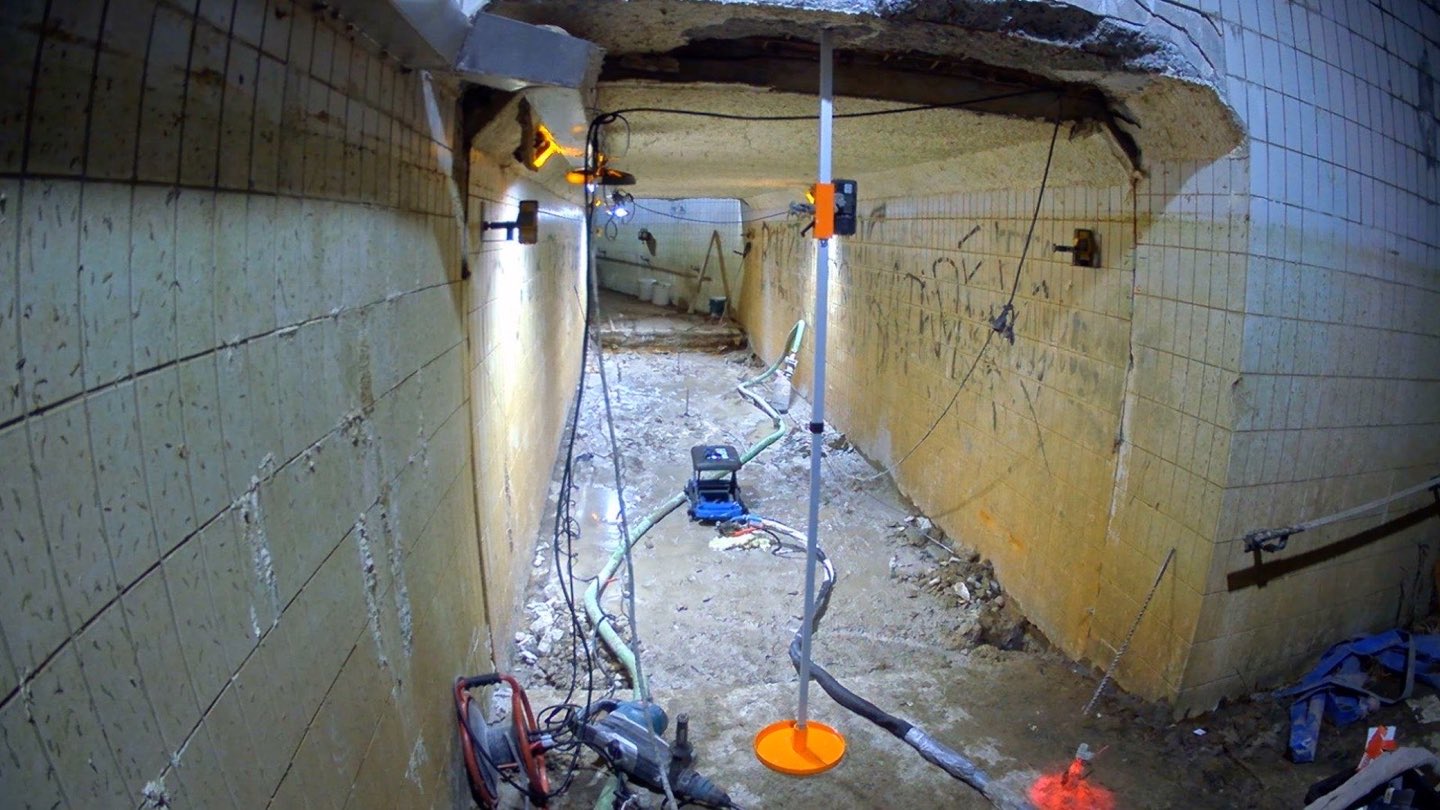
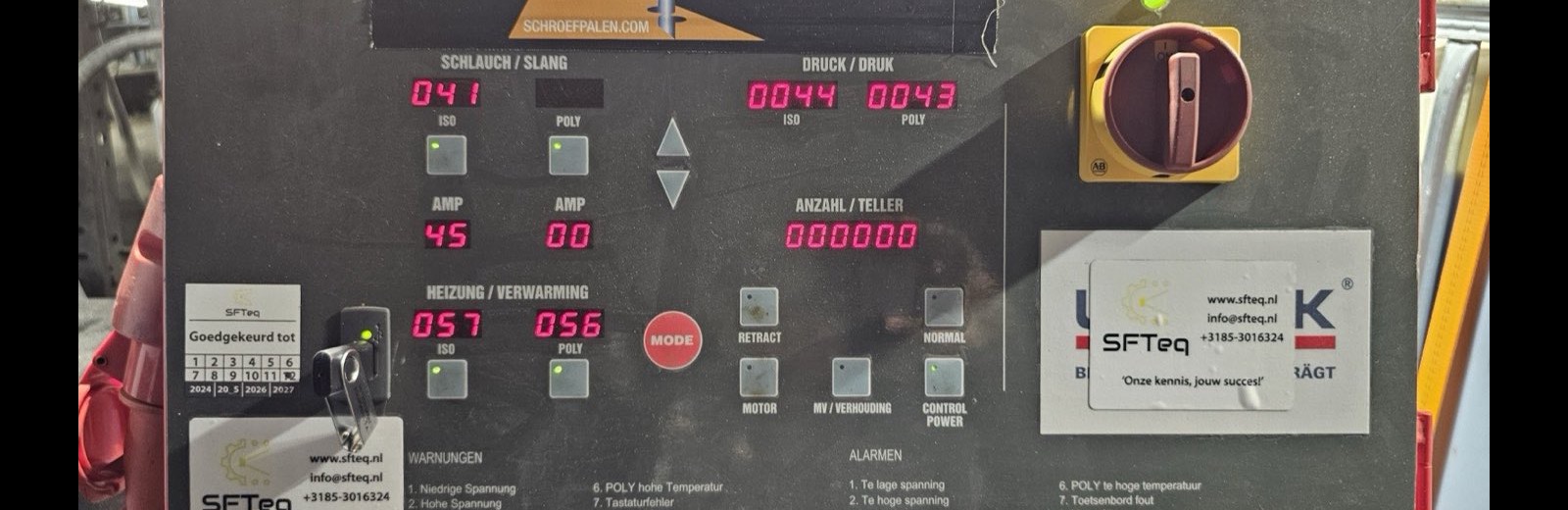
In early May 2026, working day and night, we injected expanding resin using the Soiltek Deep Lift method, from inside the tunnel, through small drill holes. Lasers on tripods tracked every movement of the structure; the injection unit logged pressure and flow per injection point. Cracks were measured before and after the works.

The result

In 36 hours of non-stop injection we lifted the tunnel by 19 cm: strengthened ground without a single excavation, carried out in a confined space with continuous laser monitoring of the structure.

Pedestrian tunnel with a laser receiver on a tripod and injection hoses during the works
Laser monitoring in the tunnel
Control panel of the Soiltek injection unit with pressure and flow readings
Pressure and flow per injection point
Monitoring a crack in a tiled wall with date and markings
Crack monitoring

References in numbers

Big, fast and anywhere

449screw piles

Cycling through the Trees

The elevated cycle path through the treetops in Hechtel-Eksel was founded on 449 screw piles, with minimal impact on the forest.

150homes in 2 weeks

Emergency village Oostakker

To house Ukrainian refugees, we founded an emergency village of 150 homes in just two weeks.

98piles up to 8 m deep

Nieuwenhoven Provincial Park

The visitor centre in Sint-Truiden, founded on 98 screw piles up to 8 metres deep. View the project

For yearsstages on screw piles

Tomorrowland

Temporary structures that must go up fast and then disappear without a trace: that is what screw piles are made for. View the project

Circulartimber-frame building

Timber-frame homes in Bouillon

Timber-frame homes on screw piles: a foundation that can be dismantled and reused, and does not pollute the soil.

19 cmlifted in 36 hours

Callenelle tunnel

A pedestrian tunnel by the railway, injected with expanding resin for 36 hours non-stop and lifted by 19 cm. View the project

Your project as our next case?

Send us your plans or a few photos. We will look at which foundation fits, with no obligation.

Request a free quote